
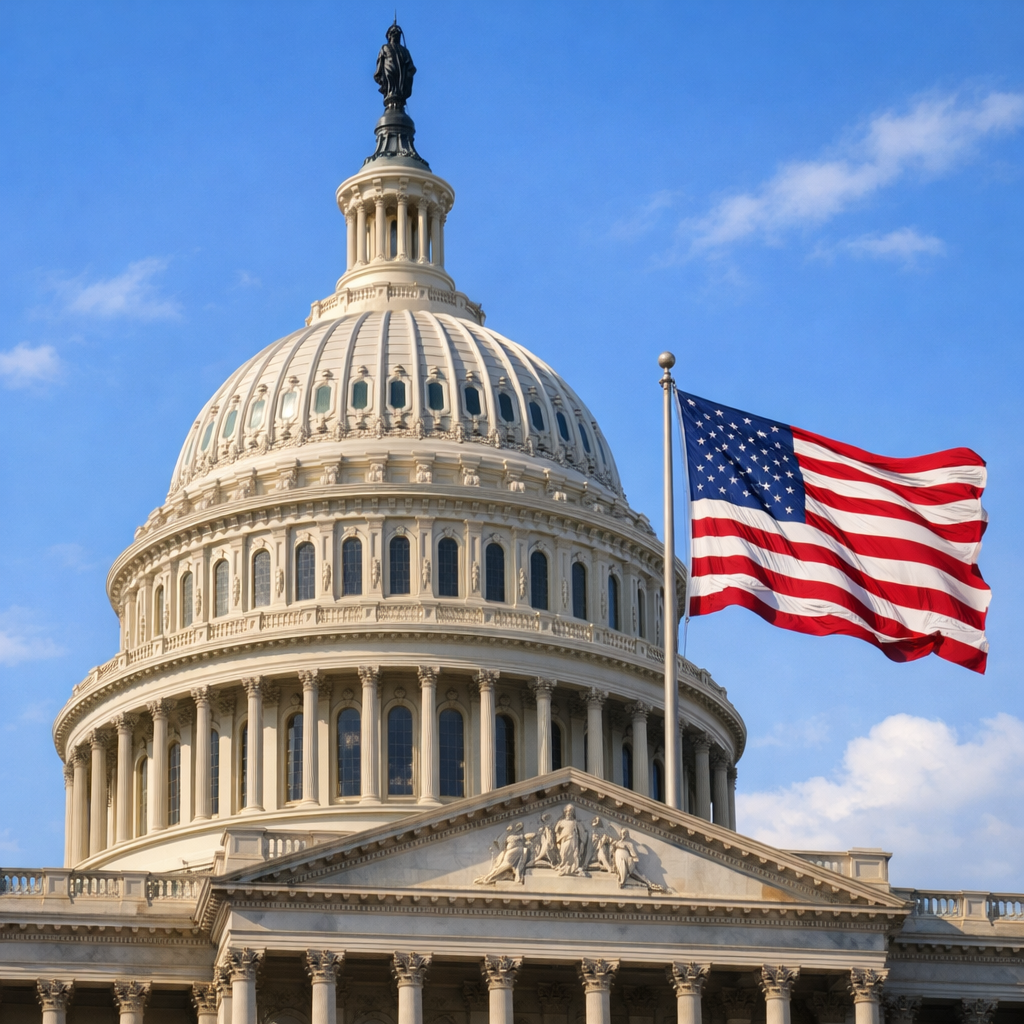
As we navigate the middle stretch of the year, several broad national trends are pulling into view—trends that will likely define public debates, election outcomes, and America’s economic stability as we move forward.
1. Economy: A Slower Pace with Lingering Worries
The U.S. economy has cooled. In the second quarter, growth hit 1.5%, lower than earlier projections, largely because government spending eased and inventories dropped. Consumer activity continues to hold the line, but inflation remains above the Federal Reserve’s 2% target. This ongoing price pressure, along with talk of rising interest rates if inflation doesn’t ease more, is feeding concerns among businesses and households. Experts note the economy has held up in many areas, but resilience is narrowing. Predictability is low when it comes to costs of essentials like housing, food, and fuel.
2. Foreign Policy and Global Tensions
At the same time, international issues remain front and center. The U.S. has intensified its economic and diplomatic pressure on Iran—proposals to sever its remaining financial lifelines, amid threats from Iranian leadership, have escalated the situation. There are also rumblings of instability in global trade: tariff negotiations have hit snags, and trade relations with countries like Canada are under increased strain. All this complicates supply chains, import costs, and the long view for global partnerships.
3. Politics: Election Fears & Trust Deficit
Election integrity is on many minds. Polls show a growing share of Americans worry the upcoming midterms could be manipulated—through mishandled ballots, political interference, or flawed processes. Concerns are intensified by debates over voting rules and procedures. At the same time, President Trump’s approval ratings are under pressure, especially on economic issues. Voting legislation, court decisions, and governmental accountability are key battlegrounds, with actions in Congress and the courts generating sharp debate on executive power and institutional checks.
4. What This Means Locally
Here in Carbondale and the broader Roaring Fork Valley, the ripple effects are already being felt. Prices at the pump are higher. Grocery bills continue to rise, and rising interest rates mean higher borrowing costs for homes, businesses, and big purchases. Federal policy shifts—especially around trade tariffs or immigration—can affect local industry, tourism, and workers whose livelihoods tie to national supply chains.
In national politics, local communities tend to follow how elections are run, how aggrieved voters feel, and how state legislation affects individual voting rights. Local election laws and the efficiency of our voting infrastructure carry more weight when national trust is fragile.
5. What to Watch Next
- If inflation shows sustained decline, interest rates could ease—but if not, tightening may resume.
- Major court rulings and federal votes will influence the balance of presidential vs. congressional power.
- Trade deals or tariff changes may shift costs for energy, agriculture, or manufacturing sectors.
- Public opinion ahead of the midterms, and turnout expectations, will shape state and national leadership.
While some issues—like the ongoing economic questions and election integrity—have been with us for some time now, the next few months could clarify their direction. National policies will resonate in our everyday lives here in Carbondale, whether through fuel prices, job opportunities, or the political climate at home.